Immersive Cultural Experiences: Living with Indigenous Communities
For travelers seeking unique and meaningful experiences, living with indigenous communities provides an opportunity to immerse themselves in ancient traditions, gain insights into different ways of life, and foster cultural understanding. From remote villages in the Amazon rainforest to the highlands of New Zealand, indigenous communities around the world warmly welcome visitors who are interested in learning about their customs, spirituality, and sustainable practices. Here's a guide to help you embark on an immersive cultural journey by living with indigenous communities.
Maasai, Kenya and Tanzania
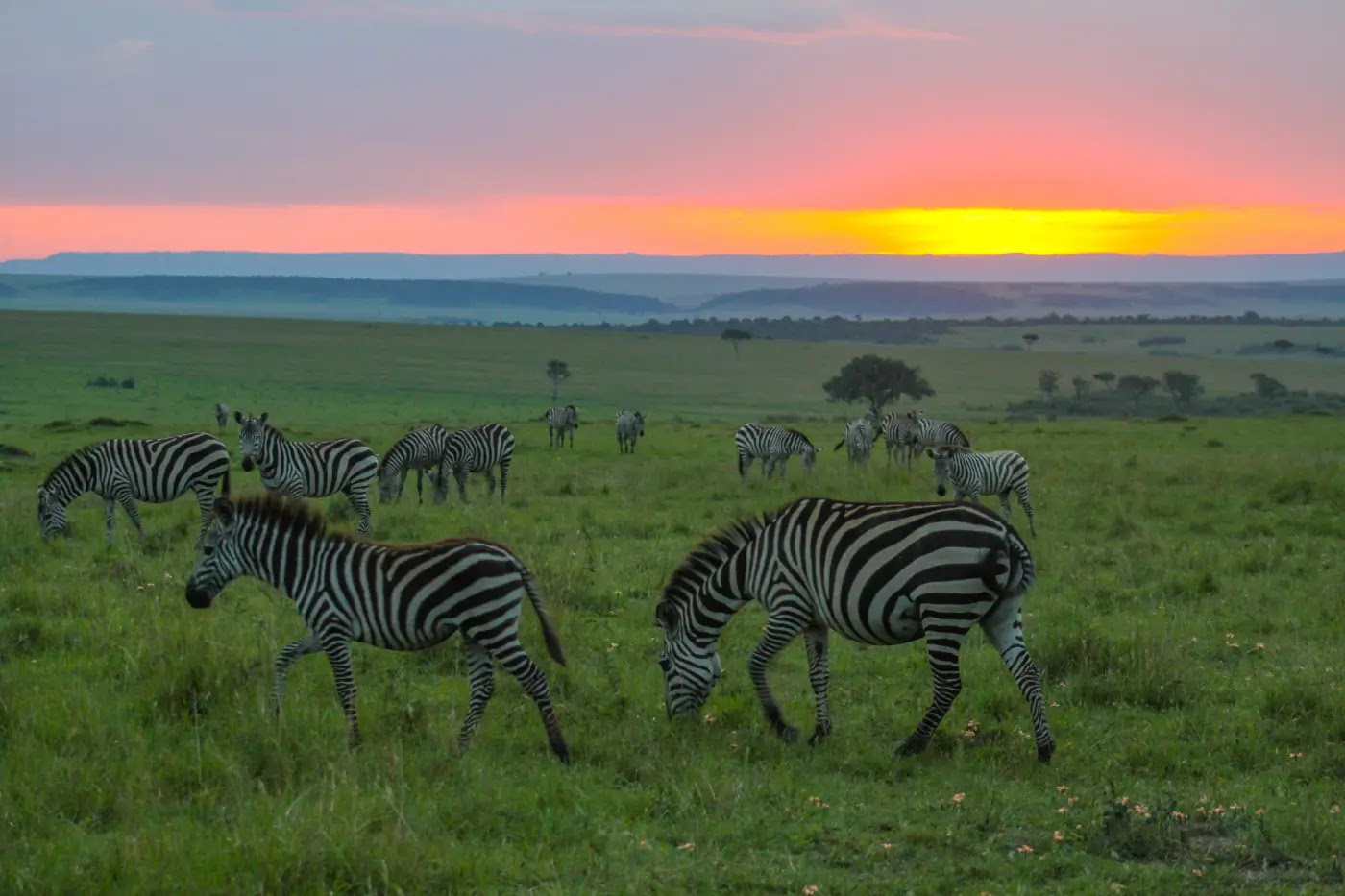
Maasai Mara: Experience the rich Maasai culture by staying in a traditional Maasai village near the Maasai Mara National Reserve. Engage in cultural activities such as beadwork, warrior training, and learning about their pastoral way of life. Embark on a safari to witness the wildlife of the Mara and participate in community-led conservation efforts.

Ngorongoro Conservation Area: Visit the Maasai communities living in the Ngorongoro Conservation Area in Tanzania. Learn about their sustainable practices, join them in herding cattle, and listen to captivating stories and songs around the campfire.
Shipibo, Peru

Amazon Rainforest: Venture deep into the Amazon rainforest to live with the Shipibo indigenous people of Peru. Stay in eco-lodges or homestays in communities such as Pucallpa and experience their rich shamanic traditions, intricate textile weaving, and traditional plant medicine practices. Participate in healing ceremonies, learn about their cosmology, and engage in sustainable activities that support their livelihoods.
Aboriginal, Australia

Northern Territory: Explore the cultural heritage of the Aboriginal people in the Northern Territory of Australia. Stay in remote communities such as Arnhem Land, visit rock art sites, and learn about their deep connection to the land. Join guided walks led by Aboriginal elders, witness traditional dances, and gain insight into their Dreamtime stories and spirituality.

Cape York Peninsula: Journey to the far north of Queensland and experience the cultural diversity of the Aboriginal communities on the Cape York Peninsula. Take part in guided tours, bush tucker walks, and traditional fishing practices. Learn about the preservation of sacred sites and the importance of land management.
Haida, Canada

Haida Gwaii: Discover the Haida culture on the remote Haida Gwaii islands in British Columbia, Canada. Stay in lodges or homestays and learn about their rich artistic traditions, including totem pole carving and weaving. Explore the ancient villages, visit cultural centers and museums, and listen to traditional stories passed down through generations.
Māori, New Zealand

Rotorua: Immerse yourself in Māori culture in Rotorua, known for its geothermal wonders and strong Māori presence. Stay in a marae (meeting grounds) or a Māori-owned lodge, participate in a traditional welcoming ceremony (pōwhiri), and learn about their customs, haka (war dance), and traditional arts such as carving and weaving. Experience a hangi feast, where food is cooked in an earth oven, and listen to captivating legends and stories.
San, Botswana and Namibia

Kalahari Desert: Live with the San (also known as Bushmen) in the Kalahari Desert region of Botswana and Namibia. Join them on hunting and gathering expeditions, learn about their deep knowledge of the environment, and discover their unique clicking language. Gain insight into their spiritual beliefs, storytelling traditions, and the challenges they face in preserving their way of life.
Comments
Post a Comment